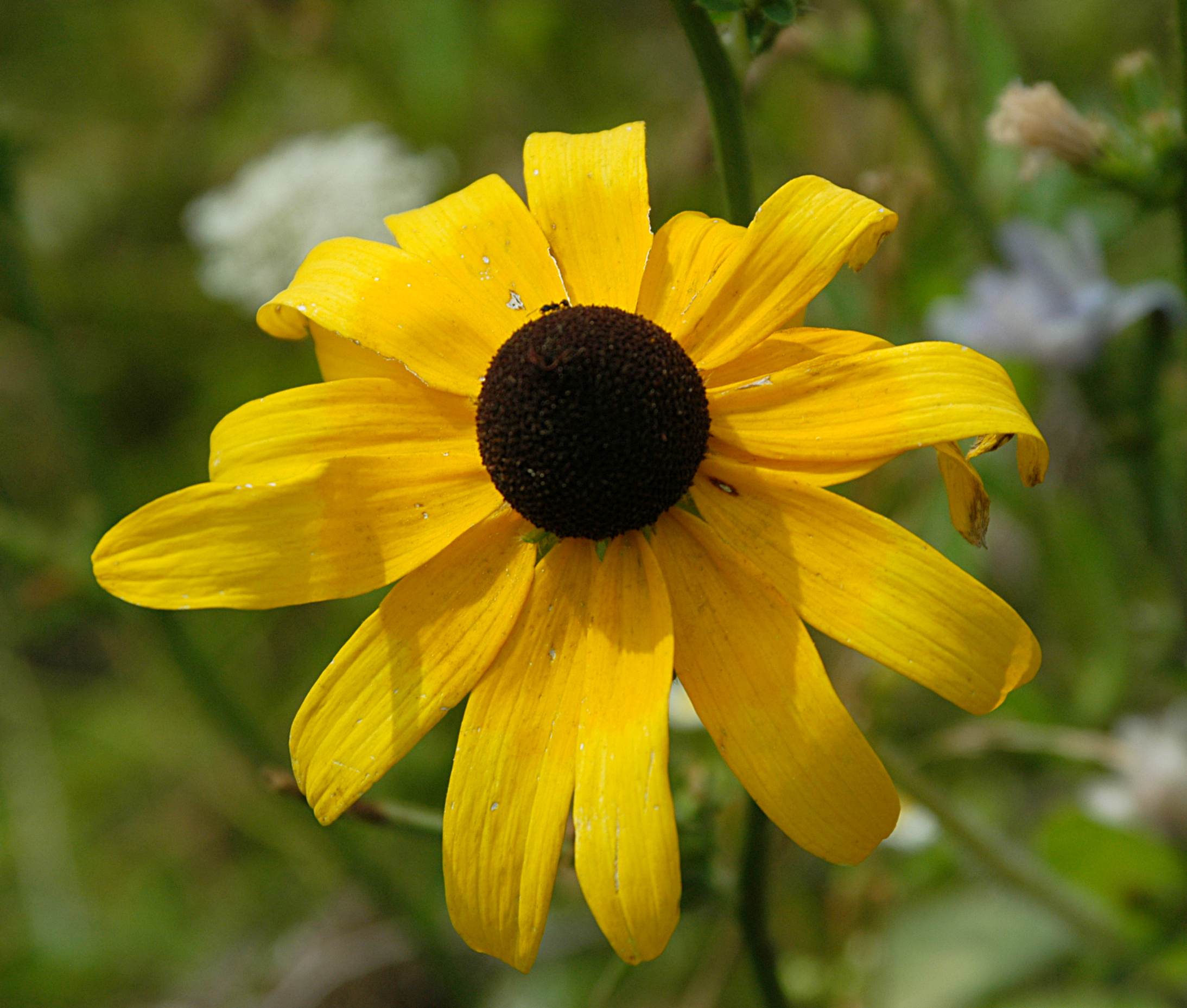
Black-eyed Susan (Rudbeckia hirta) — a mid-summer staple across Canadian hardiness zones 3–9. Photo: Wikimedia Commons / CC.
Why Bloom Succession Matters
Native bee colonies, unlike honeybees, do not store large quantities of food. Many solitary bee species — which make up the majority of Canada's roughly 900 recorded native bee species — live only a few weeks as adults. Their entire reproductive window depends on finding pollen and nectar within range of their nest site.
A yard that blooms for six weeks in mid-summer provides little support outside that window. Designing for bloom succession — where at least one native species is flowering from early May through late October — turns a yard into a functional habitat rather than a seasonal feeding station.
Canada's climate diversity adds a layer of regional specificity. A bloom calendar for coastal British Columbia differs substantially from one suited to central Ontario or prairie Saskatchewan. The tables below reflect the approximate flowering windows for eastern and central Canada (zones 4–6), with notes on regional variation.
Spring: April – May
Spring-blooming native plants in Canada are primarily woodland or edge species adapted to flowering before the forest canopy closes. They represent the first meaningful forage for queens of bumble bee species (Bombus spp.) emerging from winter hibernation and for early-season mining bees (Andrena spp.).
Key Spring Natives
- Wild Columbine (Aquilegia canadensis): April–June in zones 4–8. Long spurred flowers serve hummingbirds and long-tongued bees. Tolerates rocky, well-drained sites.
- Bloodroot (Sanguinaria canadensis): April–May. Short-lived flowers in woodland settings. One of the earliest pollen sources for mining bees.
- Wild Ginger (Asarum canadense): April–May, low-growing ground cover. Primarily pollinated by flies, useful for moist shaded yards.
- Virginia Bluebells (Mertensia virginica): April–May, eastern Canada. Blue tubular flowers visited by long-tongued bees and hummingbirds.
- Trout Lily (Erythronium americanum): April–May. A forest floor ephemeral; limited yard use but valuable in naturalized edges.
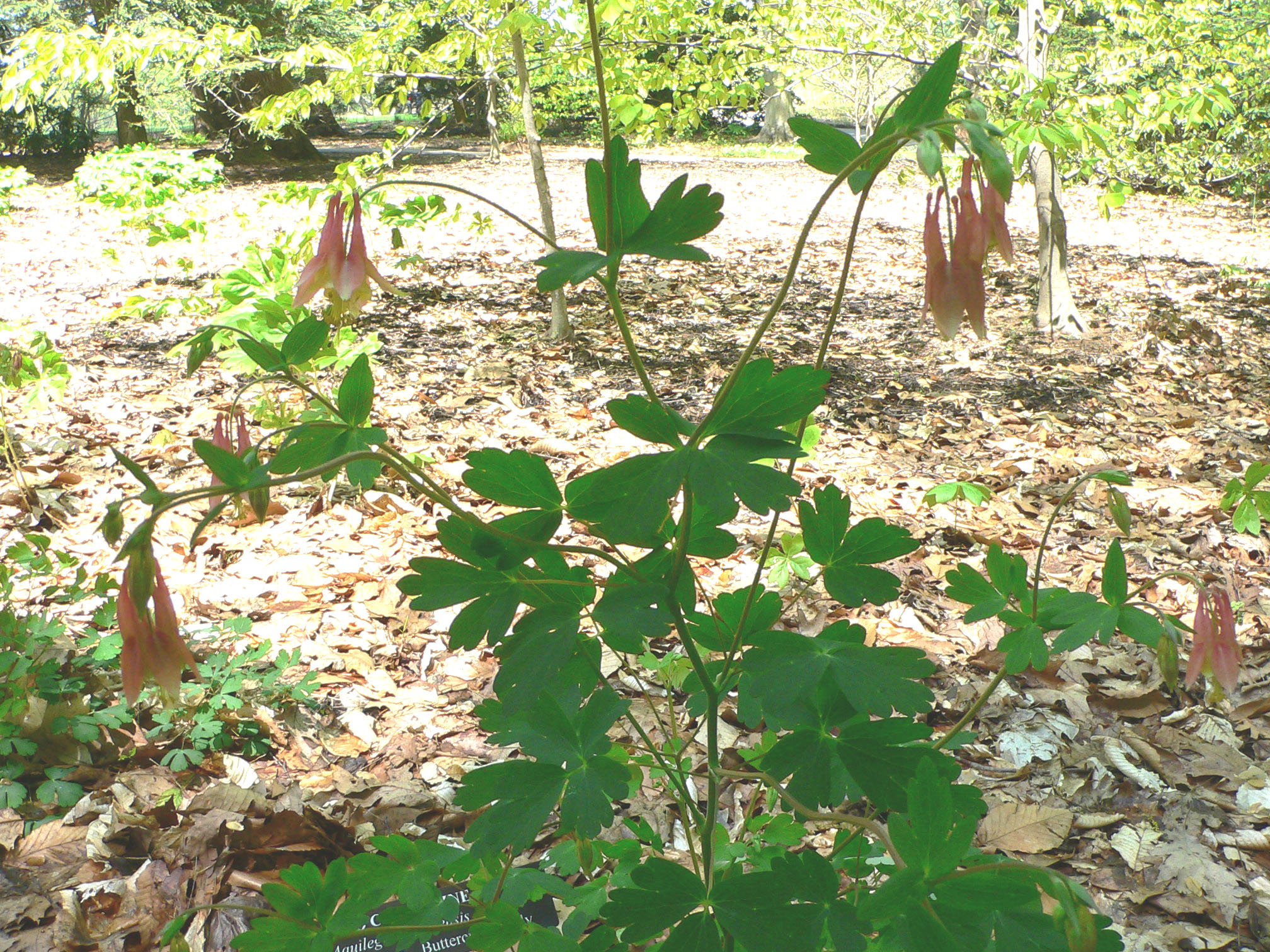
Wild columbine (Aquilegia canadensis) blooms April–June and provides early forage for long-tongued bees. Photo: Wikimedia Commons / CC.
Early Summer: June – July
June and July bring the first wave of open-habitat prairie and meadow species. Bumble bee colony growth accelerates during this period, and solitary bee nesting peaks. Native species blooming in this window tend to produce high pollen volumes accessible to a wide range of bee genera.
Key Early-Summer Natives
- Butterfly Weed (Asclepias tuberosa): June–August. Critical larval host for monarch butterflies. Orange flower clusters visited by bumble bees, fritillaries, and swallowtails. Requires well-drained soil.
- Black-Eyed Susan (Rudbeckia hirta): June–September. Among the most adaptable native wildflowers in Canada. Biennial or short-lived perennial; self-seeds readily. Visited by mining bees, sweat bees, and hover flies.
- Wild Bergamot (Monarda fistulosa): July–August. Lavender tubular flowers support bumble bees, clearwing moth, and native bees. Spreads by rhizome; suits larger naturalized areas.
- Purple Coneflower (Echinacea purpurea): July–September. A generalist pollinator plant supporting over 50 visiting insect species. Seed heads provide overwinter food for goldfinches.
- Cardinal Flower (Lobelia cardinalis): July–September. Brilliant red, adapted for hummingbird pollination; also visited by bumble bees. Requires moist soil near water features or rain gardens.

Cardinal flower (Lobelia cardinalis) blooms July–September and is adapted for hummingbird and bumble bee visitation. Photo: Wikimedia Commons / CC.
Late Summer: August – September
Late summer natives are especially important for migrating monarchs moving through southern Canada and for queen bumble bees preparing for winter dormancy. Goldenrods and asters dominate this window and are among the most ecologically productive plants in the native flora.
Key Late-Summer Natives
- Canada Goldenrod (Solidago canadensis): August–October. One of the most insect-rich plants in eastern North America. Hosts well over 100 insect species. Often erroneously blamed for hay fever — pollen is insect-carried, not wind-blown.
- New England Aster (Symphyotrichum novae-angliae): August–October. Vibrant purple flowers providing late-season nectar for migratory monarchs, bumble bees, and specialist aster bees (Andrena spp.).
- Joe-Pye Weed (Eutrochium purpureum): July–September. Tall, adaptable to moist soils. Attracts swallowtails, fritillaries, and bumble bees.
- Ironweed (Vernonia fasciculata): August–September, prairie regions. Deep purple florets visited by native bees and monarchs.
Early Fall: October
Few native plants bloom past late September in most of Canada, but asters can extend into October in zones 5 and above. The primary value of fall-blooming plants is providing energy for insects — particularly bumble bee queens — before winter diapause.
Leaving seed heads and dead stems standing through winter provides nesting habitat for stem-nesting bees and overwintering habitat for native insects at various life stages. This structural element of a habitat yard is as important as the bloom calendar itself.
Monthly Reference Table
| Month | Key Natives in Bloom | Primary Pollinators Active |
|---|---|---|
| April | Bloodroot, Wild Ginger, Trout Lily | Mining bees, flies, queen bumble bees |
| May | Wild Columbine, Virginia Bluebells, Wild Geranium | Mining bees, bumble bees, hummingbirds |
| June | Butterfly Weed, Black-Eyed Susan, Wild Lupine | Bumble bees, sweat bees, monarchs |
| July | Purple Coneflower, Wild Bergamot, Cardinal Flower | Bumble bees, swallowtails, hummingbirds |
| August | Canada Goldenrod, Joe-Pye Weed, New England Aster (early) | Monarchs, bumble bee queens, specialist aster bees |
| September | New England Aster, Canada Goldenrod, Sneezeweed | Monarchs (migration), late-season bumble bees |
| October | Late asters (zone 5+) | Queen bumble bees preparing for diapause |
Regional Notes
British Columbia (coastal zones 7–9): The bloom season begins earlier, sometimes in March with native camas (Camassia quamash) and red flowering currant (Ribes sanguineum). The season extends later into November with fall-blooming species.
Prairie provinces (zones 2–5): A shorter but intense bloom window. Prairie coneflower (Ratibida columnifera), pasque flower (Pulsatilla patens), and blazing star (Liatris spicata) are regionally appropriate choices.
Atlantic Canada (zones 4–6): Conditions favor moisture-tolerant species. Swamp milkweed (Asclepias incarnata), blue flag iris (Iris versicolor), and marsh marigold (Caltha palustris) are well-suited to wetter sites.
References
- Natural Resources Canada — Plant Hardiness
- iNaturalist: Native Plants of Canada
- Wildflower Farm (Ontario) — Native seed supplier and bloom data
- Ontario Nature — Pollinator habitat resources
Last updated: May 2026