Backyard Pollinator Habitat Planning with Native Plants
Bloom calendars, host plant guides for native bees and butterflies, and practical approaches to maintaining pesticide-free yard zones across Canada.
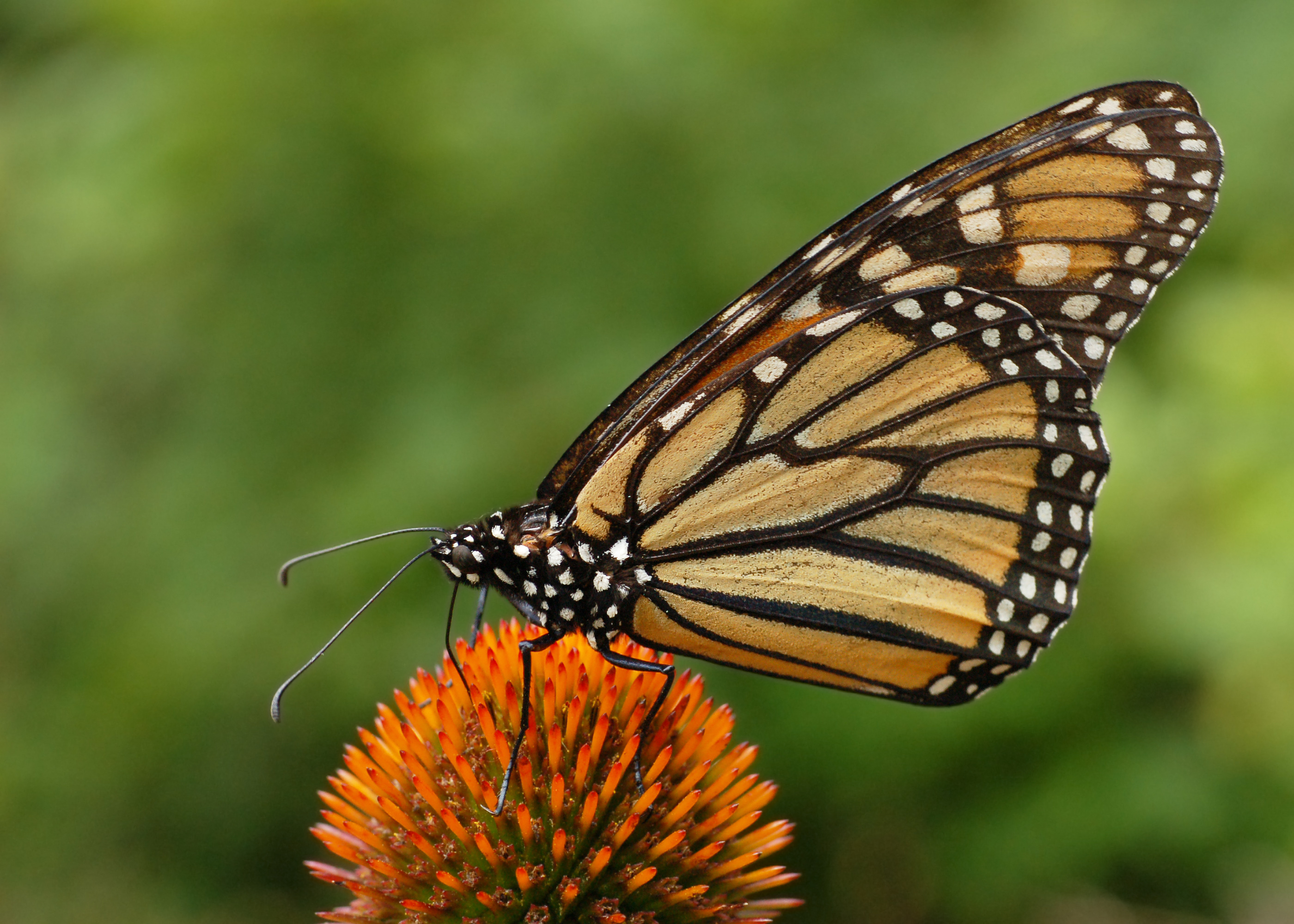
Guides for Canadian Pollinator Habitats
Each article covers a distinct aspect of building and maintaining a functional pollinator habitat using plants native to Canada.
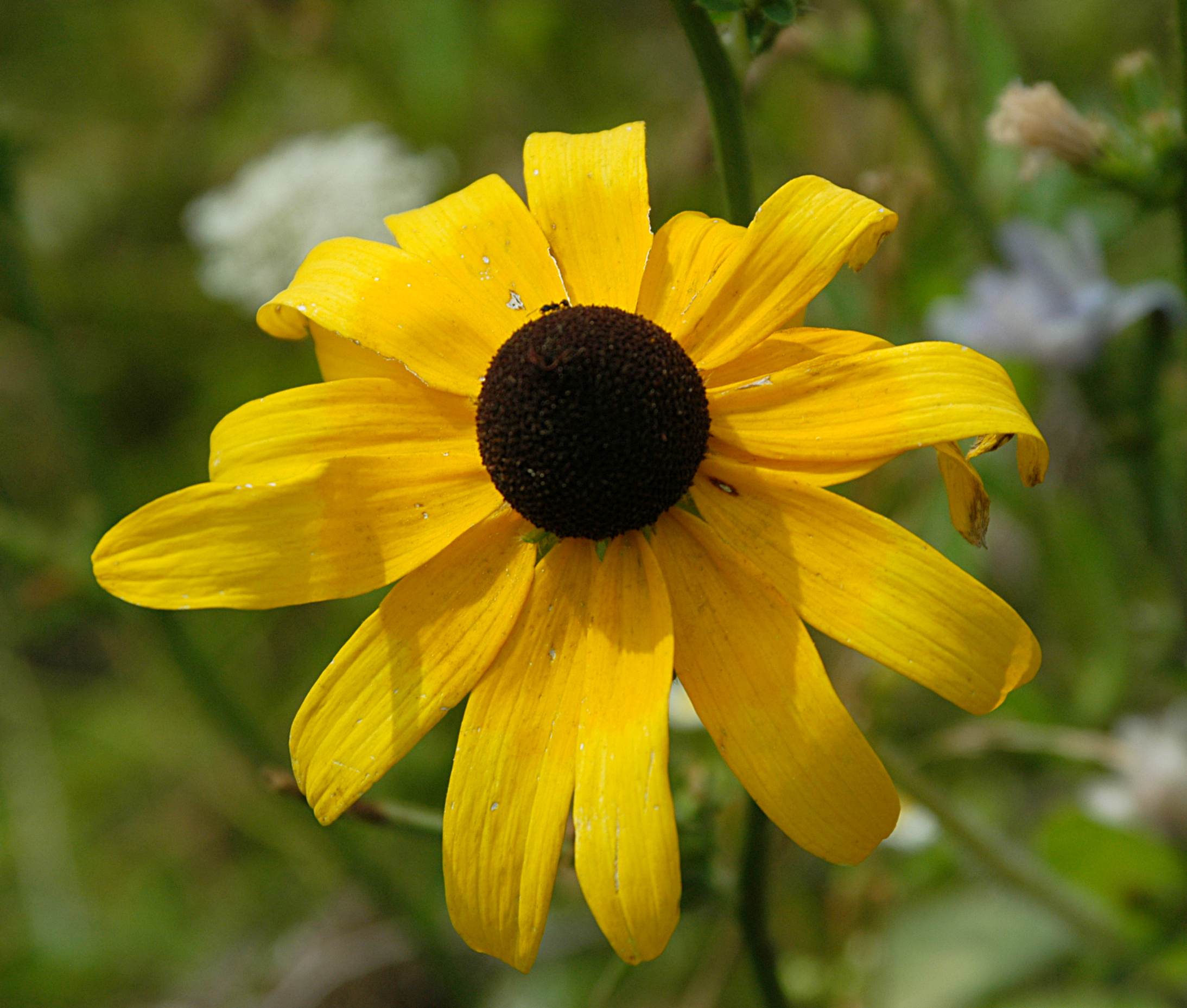
Native Plant Bloom Calendar for Canadian Gardens
Month-by-month breakdown of when native wildflowers bloom across Canada's major climate zones, from early spring ephemerals to late-season goldenrod.
Read article
Host Plants for Native Bees and Butterflies
Which native plant species support specialist bee genera, monarch larval development, and swallowtail host relationships in Canadian backyards.
Read article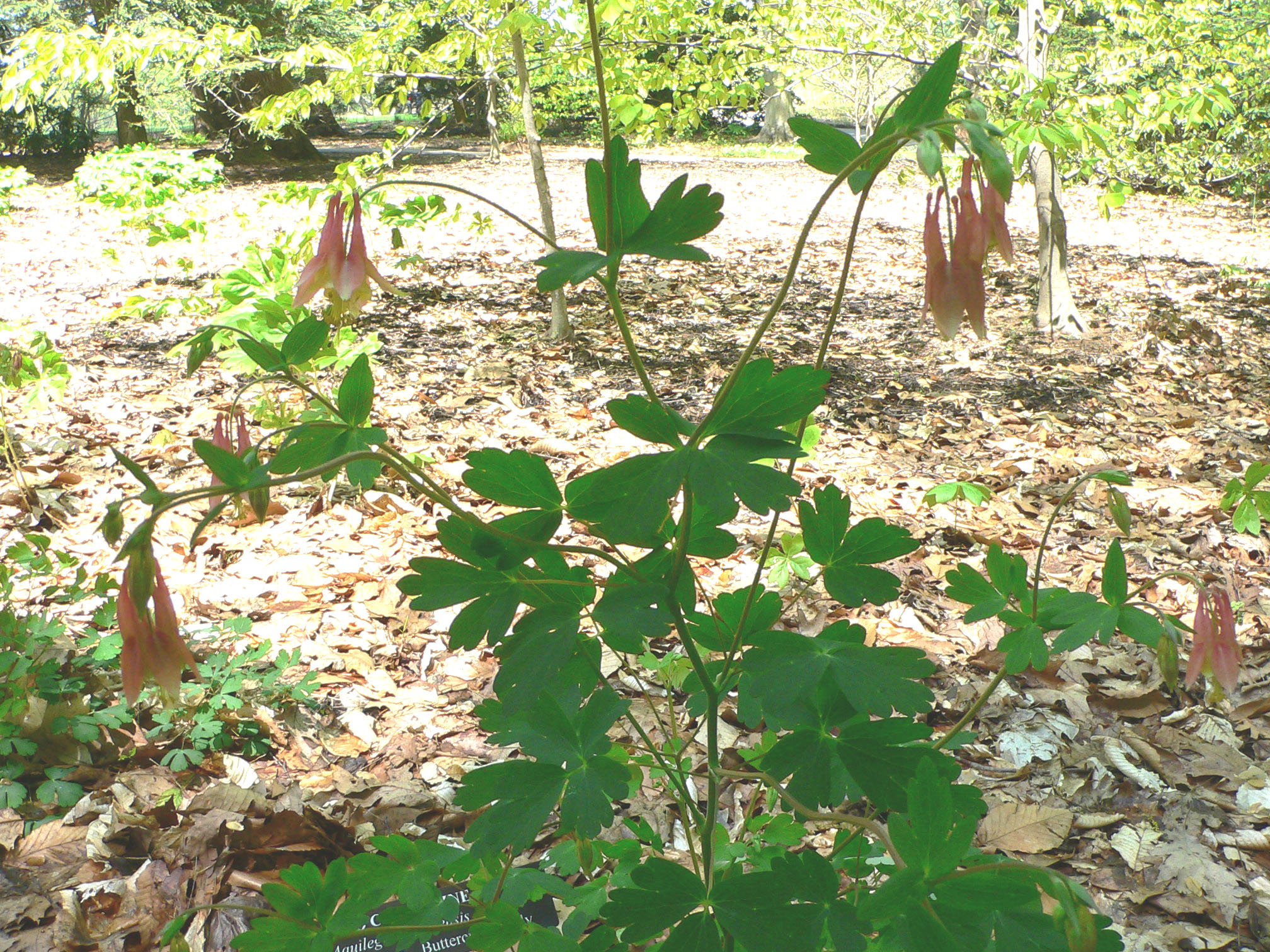
Establishing Pesticide-Free Yard Zones in Canada
How to define, plant, and maintain chemical-free zones in Canadian residential properties, with guidance on municipal bylaws and natural pest management.
Read articleWhy Native Plants for Pollinators?
Native plants and the insects that evolved alongside them form relationships spanning thousands of years. Many specialist bee species in Canada, such as Andrena and Colletes genera, can only collect pollen from specific plant families — often those that are native to their region.
Non-native ornamental plants, even those that produce nectar, frequently offer insufficient pollen protein content for specialist bees, and may lack the larval host qualities needed by moths and butterflies. A yard planted with regionally native species addresses both food and habitat needs simultaneously.
Canada's native plant palette is diverse. From the trilliums and columbines of Ontario woodlands to the prairie coneflowers of Saskatchewan and the camas meadows of British Columbia, regional natives reflect local hydrology, soil chemistry, and seasonal patterns that introduced plants cannot replicate.

Commonly Planted Native Species
A selection of native species suitable for backyard pollinator habitats across Canada's main growing regions.
| Common Name | Scientific Name | Bloom Period | Pollinators Supported | Region |
|---|---|---|---|---|
Purple Coneflower Echinacea purpurea |
Rudbeckia hirta | Jul – Sep | Native bees, monarchs, swallowtails | Eastern Canada, prairies |
Black-Eyed Susan Rudbeckia hirta |
Rudbeckia hirta | Jun – Sep | Bumble bees, mining bees, hover flies | Across Canada (zones 3–9) |
Canada Goldenrod Solidago canadensis |
Solidago canadensis | Aug – Oct | Over 100 insect species, monarch migration | Eastern & central Canada |
Butterfly Weed Asclepias tuberosa |
Asclepias tuberosa | Jun – Aug | Monarch host, bumblebees, fritillaries | Ontario, Quebec, Maritimes |
Wild Columbine Aquilegia canadensis |
Aquilegia canadensis | Apr – Jun | Ruby-throated hummingbird, long-tongued bees | Eastern Canada, rocky outcrops |
Cardinal Flower Lobelia cardinalis |
Lobelia cardinalis | Jul – Sep | Hummingbirds, bumble bees | Ontario, Quebec, Atlantic Canada |
Before You Plant
Canada spans zones 0 through 8. Plant species selected should match your USDA or Natural Resources Canada hardiness zone to survive winter conditions.
Many native plants, such as butterfly weed (Asclepias tuberosa), require well-drained soils and will not establish in heavy clay without amendment or raised bed preparation.
Track sun patterns across your yard through a full season if possible. Prairie natives generally need six or more hours of direct sun; woodland species tolerate partial shade.
Some Canadian municipalities restrict lawn height or require "naturalized" yard areas to be registered. Cities such as Toronto have formal programs recognizing pesticide-free properties.
When purchasing native plants, genetic provenance matters. Plants grown from local seed stock are better adapted to regional soil microbes, rainfall cycles, and temperature swings.
A functional pollinator habitat blooms from early spring to late fall. Aim for at least three distinct bloom periods to provide continuous forage for native bee colonies and migrating butterflies.
Send a Message
Questions about content, corrections, or regional plant suggestions.